Winter Grounds Clearance: Why January Is the Best Time (and the Equipment That Makes It Easier)
Contents
January is one of the best months for winter grounds clearance. Growth is dormant, site access is often easier to manage before spring kicks in, and it’s the ideal time to tidy boundaries, woodland edges and problem areas.
In this guide, we cover:
Why January Is Perfect for Winter Grounds Clearance
When people think of grounds maintenance, they often picture grass cutting in the warmer months. But the winter period, especially January, is one of the most important times for improving and preparing sites.
Clearance work in January commonly includes:
- Removing overgrown scrub, brambles and problem vegetation
- Tidying boundaries and access routes
- Dealing with storm-damaged branches
- Thinning or shaping woodland edges
- Cutting back areas before spring growth begins
Why Clearance Makes Sense at This Time of Year
1. Better visibility and structure
2. It reduces the workload later
Spring growth arrives fast. Clearance completed in January reduces urgent reactive jobs later in the year, prevents blocked footpaths and access routes, and stops excessive brash volumes building up during the season.
3. A sensible time for wildlife considerations
Nesting season typically runs from March to August, which is why winter is often the preferred window for hedge and boundary works.
For agricultural hedgerows, there are specific rules around trimming and cutting. Winter is widely seen as a sensible time for clearance work, though you should always carry out a wildlife check first, as nesting can still occur outside the typical season.
Chainsaws: The Smart Choice for Log Processing and Clearance
As soon as clearance work begins, timber becomes the next challenge. Fallen limbs, trunk sections, awkward branches and log piles all need processing into manageable pieces.
A chainsaw is one of the most valuable tools for winter grounds clearance because it makes tasks quicker, cleaner and safer when used correctly.
Chainsaws are ideal for:
- Processing fallen trees into sections
- Cutting timber down into movable logs
- Removing storm-damaged branches
- Cutting down material ready for chipping
- Tidying thicker hedge trunks and boundary growth
Petrol vs Battery Chainsaws
Both options are excellent. The right choice depends on workload and environment.
Petrol chainsawsare best for:
- Large-scale clearance jobs
- Longer run time without stopping
- Heavy timber and larger diameter cutting
- Remote sites without charging access
Battery chainsawsare ideal for:
- Quick clearance jobs and tidying
- Quieter environments such as parks, estates, caravan parks and residential grounds
- Less vibration and fatigue over the day
- Lower day-to-day maintenance with no fuel mixing and fewer cold-start issues
Many professional teams now use both: a petrol saw for heavier work, and a battery saw as a fast, reliable tool for site clearance and smaller cutting jobs.
Chainsaw Safety: What Professionals Must Consider
Chainsaws are one of the highest-risk tools used in groundcare. HSE guidance is clear that operators must have adequate training relevant to the work and must wear appropriate PPE.
HSE also emphasises that chainsaw work on the ground is a high-risk activity requiring correct training and protective equipment
Minimum PPE typically includes:
- Chainsaw Protective Trousers
- Chainsaw Boots
- Gloves suitable for the task
- Eye & hearing protection
- Helmet (and visor where relevant)
This isn’t about box-ticking; it’s about ensuring clearance work stays safe, controlled and professional.
Kioti K9: Site Transport That Saves Time, Energy and Cost
Winter clearance jobs are rarely “one tool and done”. The work typically involves fuel and oils, chainsaws and PPE, cones and signage, fencing materials, stakes and posts, plus brash and timber movement.
In winter, sites can be difficult. Muddy ground, ruts, waterlogging, frost and restricted access can all slow work down. That’s where a UTV such as the Kioti K9 becomes a massive asset for winter grounds clearance.
Why UTV transport matters
A UTV isn’t simply a runaround — it improves:
- productivity (less time walking back and forth)
- safety (reduced manual handling and carrying)
- access to remote work areas
- ability to tow and move materials quickly
- efficiency across large grounds and estates
How the Kioti K9 helps on clearance jobs
The Kioti K9 is commonly used for:
- transporting chainsaws, fuel and toolboxes across site
- moving logs and rounds to collection points
- towing small trailers
- transporting brash, fencing supplies or signage
- reducing time lost moving between work areas
- optional tipping trailer, so you don’t have to do everything manually; saving both time and your back!
For estates, councils, caravan parks and large commercial grounds, it offersreliable transport across ground conditions where vans struggle.

Chippers: The Key to Fast, Professional Winter Clearance
Clearance work produces two main outputs:
- timber(logs/rounds)
- brash(branches, hedge waste, scrub material)
Brash is one of the biggest time-drains on a job because it is:
- bulky
- awkward to load
- slow to dispose of manually
- messy on-site
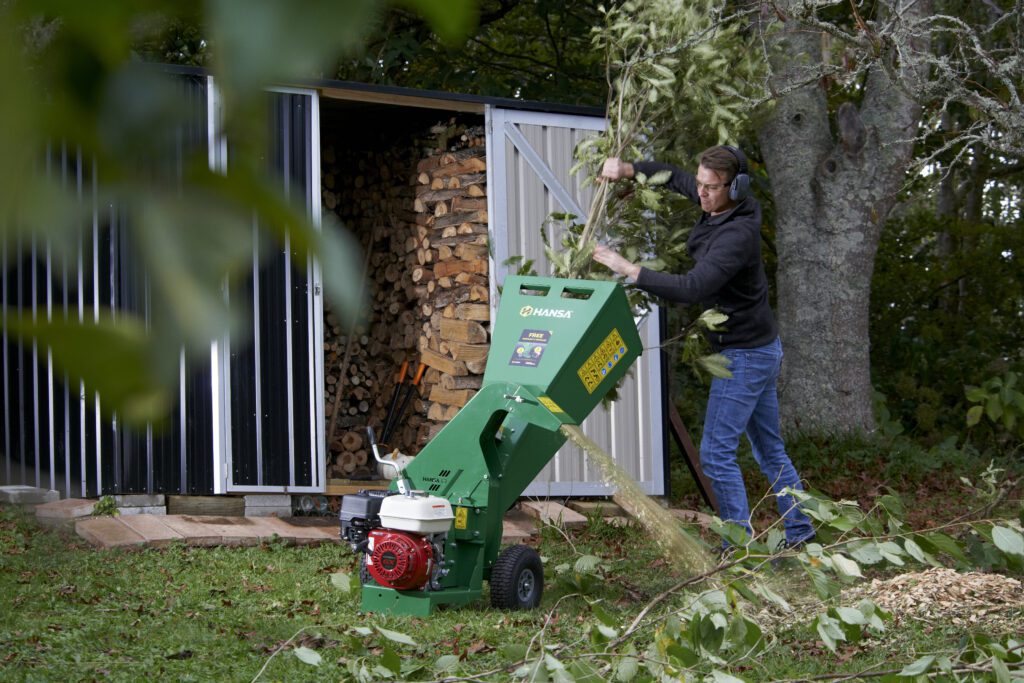
A chipper solves this issue immediately, turning bulky brash into manageable chip and keeping sites clean and professional.
What a chipper actually solves.
A good chipper:
- reduces brash volume dramatically
- speeds up loading and disposal
- keeps work areas tidy and safe
- reduces trips to waste sites
- converts waste into usable woodchip
Woodchip can often be used for:
- paths and walkways
- mulching beds and borders
- landscaping areas
- biomass piles (where applicable)
What to consider when choosing a chipper
1. Diameter capacity
If a chipper is too small, teams waste hours snedding material down. The right machine should match thelargest material you regularly produce.
2. Throughput and speed
Higher throughput means less standing around, fewer stoppages, faster job completion and reduced labour cost.
3. Access and towability
4. Feed system & anti-stress control
Winter material can be wet, stringy, and inconsistent. Good feed rollers and anti-stress systems make a huge difference to productivity.
Why chippers make clearance work more profitable
The biggest hidden cost in clearance jobs is oftenwaste handling, not cutting. The right chipper reduces:
- labour time
- trailer runs
- site clean-up time
- disposal costs
So it’s not just “nice to have”; instead, it can turn a good job into a highly efficient one.
Frequently Asked Questions
When is the best time of year to do grounds clearance?
Winter is a great time because vegetation is dormant, visibility is better, and clearance helps reduce spring workload.
Petrol or battery chainsaw: which is better?
Petrol is ideal for long heavy cutting sessions and remote work. Battery is excellent for quick work, quieter environments, and reduced maintenance.
What PPE is required for chainsaw work?
What is the Kioti K9 used for?
It’s commonly used for transporting tools, towing trailers, shifting materials, and moving staff efficiently around large or muddy sites.
What size chipper do I need?
The best size depends on the largest branches you regularly generate. Too small = lots of extra cutting time.
Can woodchip be reused?
Do Middlewich Machinery offer support and servicing?
Winter clearance is where the groundwork is laid for a smoother, more manageable year ahead. The right equipment makes all the difference: whether it’s the right chainsaw setup for timber processing, a Kioti K9 to keep the team moving efficiently, or a chipper to reduce brash volume and speed up disposal.
If you’d like advice on the best machine for your work, visit our showroom or speak with the team: we’re always happy to help.
Other recent blog, news and events
Stay updated with Middlewich Machinery’s latest news, insights, and expert tips on agricultural machinery and farming equipment.